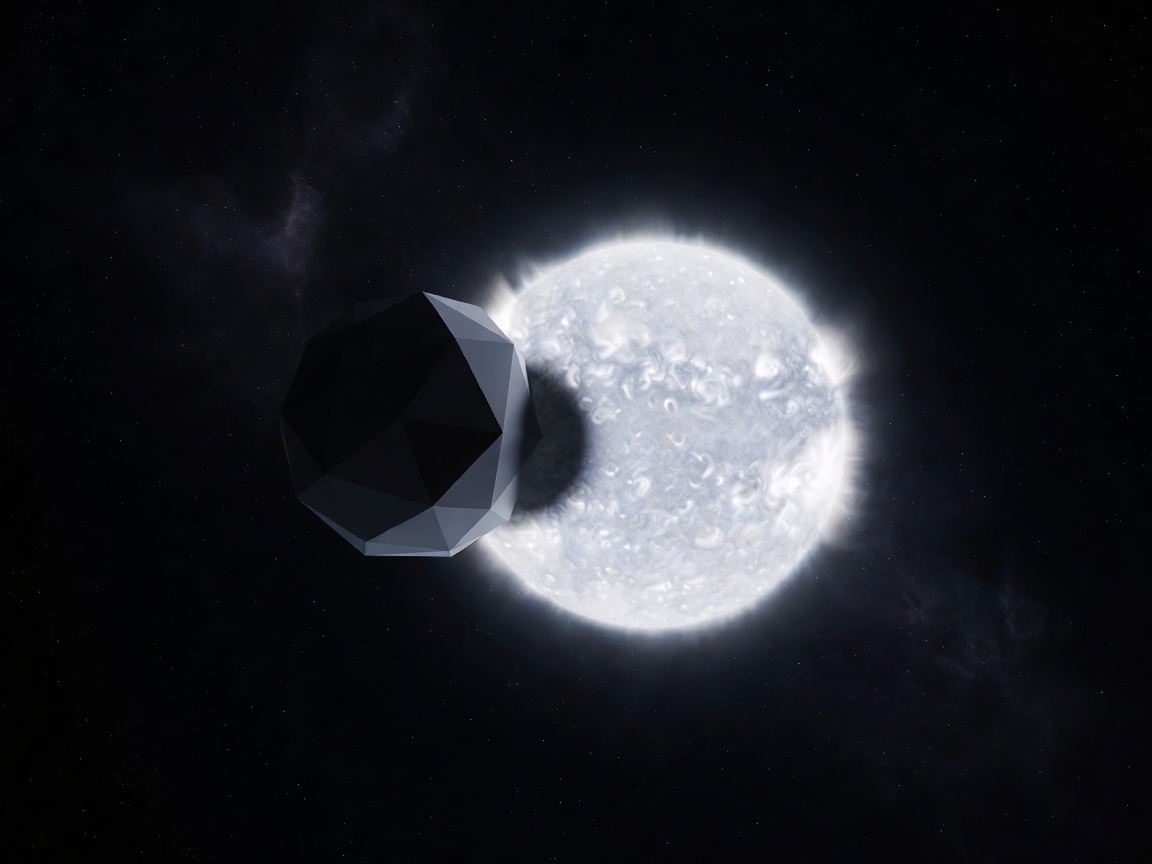
Exoplanetary Systems
For centuries, the existence of planets orbiting other stars was pure speculation. Today, observational data confirms that planetary systems are the rule, not the exception, in the Milky Way. Techniques like transit photometry and radial velocity measurements have revealed thousands of exoplanets.
These worlds defy our expectations. We have discovered "Hot Jupiters" skimming the surfaces of their host stars, rogue planets wandering the void untethered to any sun, and Super-Earths that might host global oceans capped by high-pressure ice.
Stellar Nurseries and Graveyards
Nebulae are the clouds of gas and dust where stars are born and where they die. In emission nebulae, intense ultraviolet radiation from young, hot stars ionizes surrounding gas, causing it to glow.
The atoms in our bodies were forged in the nuclear furnaces of ancient, dead stars. We are star-stuff observing the stars.
Conversely, planetary nebulae and supernova remnants represent the violent end of stellar life cycles. A supernova distributes heavy elements—carbon, oxygen, iron—across the galaxy, seeding the interstellar medium with the materials necessary for terrestrial planets and organic chemistry.
The Dark Sector
Visible matter—everything we can see, touch, and measure with electromagnetic radiation—makes up only about 5% of the universe. The rest consists of dark matter and dark energy.
Dark matter acts as the gravitational scaffolding of galaxies, preventing them from spinning apart. Dark energy, an even deeper mystery, acts as a repulsive force, accelerating the expansion of spacetime itself. Understanding these two dark components is the primary objective of modern astrophysics.